Resignation VS Termination In 2026: A Complete Guide To Employees And Employers Should Know
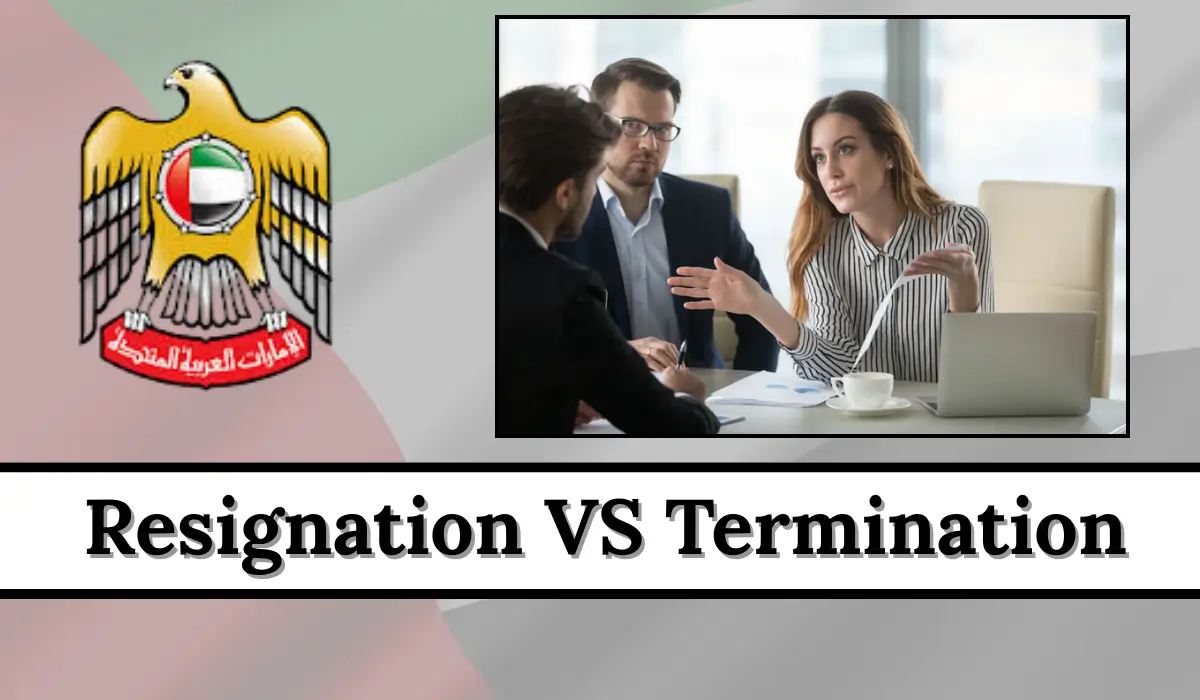
Resignation VS Termination. When a job ends, it usually happens in one of two ways: resignation or termination. Although both mean the employment relationship is over, they are very different in meaning and impact. Resignation occurs when an employee voluntarily decides to leave the company, often for better opportunities, personal reasons, or career growth. Termination, on the other hand, happens when the employer ends the contract due to performance issues, misconduct, restructuring, or financial challenges.
The difference between resignation and termination can affect salary, final settlement, severance pay, unemployment benefits, legal rights, and future job prospects. It can also influence professional reputation and financial stability. Understanding these differences is important for both employees and employers to avoid disputes and protect their interests. In this guide, we will explain everything clearly so you can make informed and confident career decisions.
What Is Resignation?
Resignation happens when an employee decides to leave the job voluntarily. It is the employee’s choice. The company does not force the employee to leave.
Usually, the employee submits a resignation letter or email. In that message, the employee clearly mentions the last working day. This gives the employer time to arrange a replacement and manage work transition.
Most companies require a notice period. In many countries, it is two weeks. In some regions like the UAE, it can be 30 days or more, depending on the employment contract. Resignation is often considered a professional and controlled exit.
Common Reasons Why Employees Resign
People resign for many different reasons. Below are the most common ones:
- Better salary or job offer
- Career growth opportunities
- Relocation to another city or country
- Higher education
- Work-life balance
- Health issues
- Family responsibilities
- Dissatisfaction with management
- Company culture problems
In most cases, resignation is a personal decision aimed at improving career or life quality.

Types of Resignation
Resignation is not always simple. There are different types.
1. Voluntary Resignation
This is the most common type. The employee chooses to leave freely without pressure.
2. Forced Resignation
Sometimes, an employer pressures an employee to resign instead of officially firing them. This is often called constructive dismissal.
In such cases, the resignation may not truly be voluntary. Labor courts in many countries treat forced resignation as termination.
3. Resignation With Notice
The employee follows the company policy and gives proper notice. This allows smooth handover of tasks.
4. Immediate Resignation
The employee leaves without serving notice. This usually happens due to serious conflict or emergency.
Immediate resignation may result in financial deductions if it violates the contract.
Step-by-Step Process of Professional Resignation
If an employee wants to resign properly, these steps should be followed:

Step 1: Review the Employment Contract
Check notice period and conditions.
Step 2: Secure New Employment (If Possible)
Financial planning is important before leaving.
Step 3: Write a Formal Resignation Letter
Keep it simple and professional.
Step 4: Inform Your Manager First
Do not surprise them with an email only.
Step 5: Complete Handover
Finish pending tasks and guide your replacement.
Step 6: Collect Final Settlement and Documents
Ensure salary, leave encashment, and experience letter are received.
Handling resignation professionally protects your reputation.
Benefits of Resignation for Employees
Resignation has several advantages.
- First, it gives control. The employee decides the timing and reason for leaving.
- Second, it protects professional image. In interviews, it is easier to explain voluntary exit.
- Third, it allows a peaceful goodbye. Maintaining positive relationships helps in future networking.
- Fourth, the employee receives salary until the last working day. In some companies, unused leave is also paid.
Drawbacks of Resignation
- Resignation also has disadvantages.
- Usually, there is no severance pay.
- In many countries, employees who resign voluntarily cannot claim unemployment benefits.
- If notice period is not served, salary may be deducted.
- Therefore, resignation must be carefully planned.
What Is Termination?
Termination happens when the employer decides to end the employment contract. The employee does not choose this situation.
Termination can happen for different reasons. Sometimes it is due to employee behavior. Sometimes it is due to company financial problems.
Termination can be with notice or immediate. It depends on company policy and labor law.
Types of Termination
1. Firing (For Cause Termination)
This occurs when the employee:
- Breaks company rules
- Shows poor performance repeatedly
- Engages in misconduct
- Commits fraud or theft
In serious cases, termination may be immediate.
2. Layoff (No-Fault Termination)
Layoff is different from firing. Here, the employee did nothing wrong. The company may be:

- Facing financial crisis
- Downsizing
- Restructuring
- Automating roles
Layoffs can be temporary or permanent.
3. Wrongful Termination
Wrongful termination occurs when the employer fires someone illegally. Examples include:
- Race discrimination
- Gender discrimination
- Age bias
- Retaliation for complaints
- Whistleblower punishment
This can lead to legal action.
4. Mutual Termination
Both parties agree to end employment. This is usually peaceful and documented.
Step-by-Step Process Employers Should Follow Before Termination
Employers must act carefully to avoid legal issues.
Step 1: Document Performance Issues
Keep written warnings and evaluations.
Step 2: Provide Opportunity to Improve
Give employee a fair chance.
Step 3: Follow Company Policy
Stick to HR procedures.
Step 4: Check Labor Laws
Ensure compliance with local regulations.
Step 5: Provide Written Termination Letter
Clearly state reason and last working day.
Step 6: Pay Final Settlement
Include unpaid salary, gratuity, and severance if applicable.
Professional handling protects company reputation.
Financial Differences Between Resignation and Termination
Money is one of the biggest differences.
If Employee Resigns
Usually receives:

- Salary until last working day
- Leave encashment (if policy allows)
- Gratuity (depending on service years)
Usually does not receive:
- Severance pay
- Unemployment benefits
If Employee Is Terminated
May receive:
- Final salary
- Severance package
- Unemployment benefits
- End-of-service benefits
In regions like the UAE, end-of-service benefits depend on length of service and contract type. Sometimes termination may result in higher payout compared to resignation.
Legal Impact of Resignation vs Termination
- Resignation rarely causes legal disputes unless forced.
- Termination has higher legal risk.
- Employers must ensure termination is lawful.
- Employees who feel wronged can file complaints in labor courts.
- Forced resignation can also be challenged legally.
Understanding rights is very important.
Key Differences Between Resignation and Termination
Let us compare clearly:
Initiator
- Resignation → Employee
- Termination → Employer
Control
- Resignation → Employee controls timing
- Termination → Employer controls decision
Severance
- Resignation → Rare
- Termination → Often available
Unemployment Benefits
- Resignation → Usually not eligible
- Termination → Often eligible
Career Impact
- Resignation → Positive explanation
- Termination → Needs careful explanation
Impact on Future Career
After leaving a job, interviews become important.
If resigned, you can say:
- “I left for career growth and new challenges.”
If laid off, you can say:
- “The company went through restructuring.”
If fired for performance issues, focus on lessons learned and improvement. Honesty combined with professionalism creates trust.

Regional Considerations: UAE Example
In the UAE:
- Notice period is usually 30 days
- During probation, 14 days notice is common
- End-of-service benefits apply
- Forced resignation may be treated as termination
Labor laws protect both employer and employee. Always check your employment contract carefully.
Emotional and Psychological Impact
- Resignation often feels planned.
- Termination can feel sudden and stressful.
- Financial planning helps reduce stress.
- Support from family and friends also helps.
- Job loss does not define a person’s worth or skills.
Practical Advice for Employees
Before resigning:
- Calculate savings
- Secure new job if possible
- Check notice period
- Understand gratuity rules
If terminated:
- Stay calm
- Ask for written letter
- Review settlement
- Understand legal rights
Never react emotionally in official meetings.
Practical Advice for Employers
Before accepting resignation:
- Conduct exit interview
- Understand reason
- Improve workplace issues
Before termination:
- Ensure documentation
- Avoid discrimination
- Provide respectful communication
- Protect company reputation
Fair treatment builds long-term trust.
Long-Term Impact on Finances
Over time, how you leave a job can affect:
- Retirement savings
- Insurance coverage
- Loan approvals
- Credit stability
Severance pay can help during job search. Resignation without backup plan may create financial stress.
FAQs About Resignation VS Termination
What is the main difference between resignation and termination?
Ans: The main difference between resignation and termination is who makes the decision to end the job. In resignation, the employee decides to leave voluntarily. In termination, the employer decides to end the employment. This difference affects control, benefits, and future career impact.
Is resignation better than termination?
Ans: Resignation is generally better for professional reputation because it shows that the employee chose to leave. However, termination may sometimes provide financial benefits such as severance pay or unemployment support. The better option depends on the situation and financial needs.
Can I get severance pay if I resign?
Ans: In most cases, employees do not receive severance pay when they resign voluntarily. Severance is usually provided when the employer ends the contract, especially during layoffs or company restructuring. Company policy and local labor laws can affect this.
Can I receive unemployment benefits after resigning?
Ans: Normally, unemployment benefits are available when an employee is terminated without fault. If an employee resigns voluntarily, they are often not eligible for unemployment support. However, rules vary depending on the country and local labor regulations.
What is forced resignation?
Ans: Forced resignation happens when an employer pressures an employee to resign instead of officially terminating them. Even though it appears voluntary, it may legally be treated as termination in many regions. Employees who experience forced resignation may have legal options.
What is wrongful termination?
Ans: Wrongful termination occurs when an employer fires an employee for illegal reasons. Examples include discrimination based on race, age, or gender, or retaliation after filing a complaint. Employees can challenge wrongful termination under labor law.
Does termination affect future job opportunities?
Ans: Termination can affect future job opportunities depending on the reason. Layoffs due to company financial problems usually do not harm reputation. However, termination for misconduct may require careful explanation during interviews. Honest and professional communication is important.
How much notice should I give before resigning?
Ans: The required notice period depends on your employment contract and local labor laws. Many companies require two weeks or 30 days’ notice. Giving proper notice shows professionalism and protects your final settlement.
Can an employer terminate without notice?
Ans: Yes, in cases of serious misconduct, employers may terminate employment immediately without notice. In other situations, labor laws often require notice or payment instead of notice. The rules depend on the country and employment agreement.
What payments should I receive after leaving a job?
Ans: After leaving a job, an employee should receive salary until the last working day. They may also receive payment for unused leave, end-of-service benefits, gratuity, and possibly severance pay if terminated. The exact amount depends on the contract and local labor law.
Conclusion
Resignation and termination both end a job, but they are very different. Resignation is when the employee chooses to leave, giving more control and a better career image, but usually without severance pay. Termination is when the employer ends the job, sometimes offering compensation or unemployment benefits, but it may affect reputation. Employees should plan financially and understand their rights before resigning. Employers must follow labor laws and act fairly. In the end, handling the exit professionally protects both career growth and company reputation.