UAE Work Visa Process July 2026 – Identify Requirements And Application Process

UAE Work Visa Process July 2026. The United Arab Emirates (UAE) has long been a prime destination for professionals and skilled workers from all over the world. Known for its booming economy, tax-free salaries, cutting-edge infrastructure, and cosmopolitan lifestyle, the UAE continues to attract top talent across various industries such as construction, hospitality, healthcare, finance, and technology. Cities like Dubai, Abu Dhabi, and Sharjah are home to countless global companies offering lucrative job opportunities.
If you are planning to work in the UAE, it is essential to secure a UAE Work Visa, also referred to as a residency visa for work purposes. This visa allows foreign nationals to live and work legally in the UAE. The process involves cooperation between the employer and the employee. In 2026, the UAE has introduced several updates to simplify and expedite the visa process.
In this article, we will take you through a complete and easy-to-understand guide to the UAE Work Visa Process for July 2026, including eligibility requirements, documentation, step-by-step application process, visa validity, work rights, and more.
What is a UAE Work Visa?
A UAE Work Visa is a type of residence visa issued to foreign nationals who have a confirmed job offer from a company registered in the UAE. It allows the individual to live and work legally in the UAE for a specific period, typically tied to their employment contract.
Unlike a tourist or visit visa, a work visa is mandatory for those who intend to work in the UAE. Only a valid business or residence visa permits legal employment within the country.

The key steps involved in obtaining a UAE Work Visa include:
- Getting a job offer from a UAE-based company
- The employer applying for a work permit
- Medical and background checks
- Final approval and stamping of the residence visa
Types of UAE Work Visas
There are different categories of UAE Work Visas, and the type you apply for depends on your job role and the nature of your employment. The most common types of work-related visas in the UAE include:
- Private Sector Work Visa: Issued to individuals employed by private companies either in free zones or on the mainland.
- Government Sector Work Visa: For employees working in government or local government departments.
- Free Zone Work Visa: Specific to companies based in free zones, governed by the respective free zone authorities.
- Household Worker Visa: For employees working as housemaids, drivers, or other domestic workers.
- Skilled Worker Visa (Green Visa or Golden Visa): In 2026, the UAE also offers long-term visas to highly skilled professionals with specific qualifications, experience, and salary thresholds.
Who Needs a UAE Work Visa?
Any foreign national who wishes to work in the UAE legally must apply for a UAE Work Visa. This includes:
- Skilled professionals (engineers, accountants, IT specialists)
- Semi-skilled and unskilled workers (drivers, cleaners, security staff)
- Professionals in healthcare, hospitality, construction, and other sectors
The application process begins once you have received a valid job offer from a UAE employer.
Eligibility Criteria for a UAE Work Visa
To qualify for a UAE Work Visa in 2026, both the employee and the employer must meet specific conditions:
For the Employee:
- Must be at least 18 years old
- Must pass medical fitness tests
- Must have no criminal record
- Must possess relevant skills, qualifications, or experience
- Must meet the visa category’s specific criteria (e.g., salary, skill level)
For the Employer (Company in the UAE):
- Must be legally registered in the UAE
- Must have a valid business license
- Must not have any pending legal violations regarding immigration
- Must provide a job offer and employment contract
- Must bear the visa-related costs (in most cases)
Documents Required for the UAE Work Visa
Both the employer and the employee are required to submit several documents to apply for the UAE Work Visa. These typically include:

From the Employee:
- A copy of a valid passport (with at least six months validity)
- Passport-sized photographs
- Academic certificates (attested by the UAE Embassy)
- Medical fitness certificate
- Police clearance certificate
- Previous employment references (if applicable)
From the Employer:
- A copy of the company’s business license
- Job offer letter or employment contract
- Work permit application
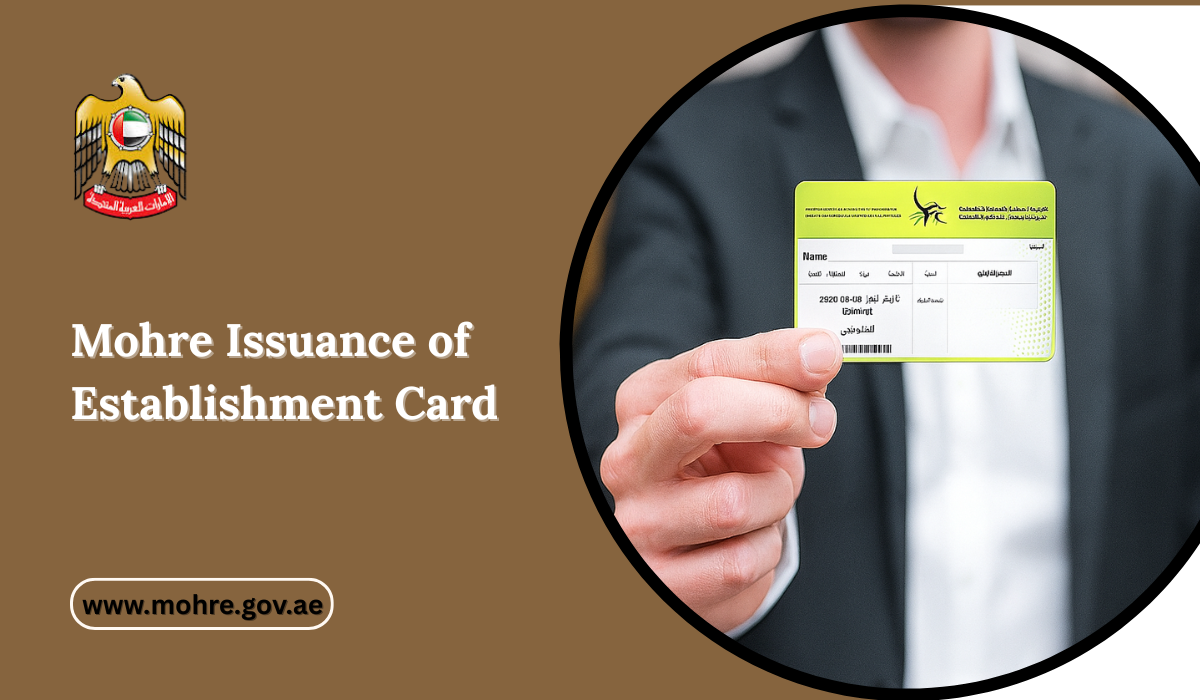
- Company immigration card
- Labor quota approval (if applicable)
Note: Some professions may require additional approvals from the relevant UAE ministries (e.g., healthcare or education sectors).
Step-by-Step UAE Work Visa Application Process
Below is a detailed breakdown of the UAE Work Visa process in July 2026:
Step 1: Secure a Job Offer
The first step in the process is securing a valid job offer from a UAE-based company. The job offer should include details such as your job title, salary, responsibilities, and other terms of employment.
Step 2: Employer Applies for Work Permit (Quota Approval)
The employer must apply to the Ministry of Human Resources and Emiratisation (MOHRE) for quota approval to hire a foreign worker. This is to ensure that the company has the necessary permission to employ a foreign national. Once approved, the employer receives initial authorization to apply for the work visa.
Step 3: Entry Permit (Pink Visa)
After receiving the quota approval, the employer applies for your entry permit, also known as a pink visa. This allows you to enter the UAE legally for employment purposes. The entry permit is typically valid for 60 days, within which you must complete the remaining visa formalities.
Step 4: Entry into the UAE and Medical Tests
Upon arrival in the UAE, you are required to undergo medical tests at a government-approved healthcare center. These tests include blood tests and chest X-rays to screen for communicable diseases. If you pass the tests, you can proceed with the application process. If not, your visa application may be rejected, and you will be asked to return to your home country.

Step 5: Apply for Emirates ID
Once you pass the medical tests, you will need to apply for your Emirates ID. The Emirates ID is a national identity card required for many public services, including opening a bank account, signing rental agreements, and accessing government services. To apply, you will need to provide biometric data (fingerprints and photograph), passport details, and your medical test results.
Step 6: Work Card and Contract Registration
Your employer must register your work card and employment contract with MOHRE. The work card contains your job, company details, salary, and other information, while the signed contract will also be stored in the MOHRE records for reference.
Step 7: Residence Visa Stamping
The final step involves the stamping of your residence visa in your passport. Once this step is completed, you officially become a legal resident and worker in the UAE.
Work Rights on UAE Work Visa
Once your UAE Work Visa is approved, you gain the right to:
- Work for the employer who sponsored your visa
- Live anywhere within the UAE
- Open a bank account
- Access healthcare and insurance benefits (according to your employment contract)
- Apply for a UAE driving license
- Apply for family sponsorship (if you meet the salary threshold)
Note: You cannot work for another company unless you transfer your sponsorship and receive approval.
Changing Employers
If you wish to change employers within the UAE:

- You must serve the notice period with your current employer
- Your new employer must apply for your new work visa
- You may need a No Objection Certificate (NOC) from your current employer
- Your current visa will be canceled, and a new one will be issued
This process must be done legally to avoid fines or blacklisting.
Family Sponsorship
If you have a work visa and meet the salary threshold (typically above AED 4,000-5,000 per month), you can sponsor your family members (spouse, children, and sometimes parents) for residence visas. The sponsored family members can live with you in the UAE.
Cancelling the Work Visa
If you leave your job or decide to exit the UAE permanently:
- Your employer must cancel your work visa
- You must return your Emirates ID
- Settle any outstanding bills (e.g., bank loans, phone bills)
- You must leave the country or apply for another visa within 30 days of cancellation
Processing Time
The entire UAE Work Visa process typically takes 2 to 4 weeks, but delays may occur due to:
- Missing documents
- Additional medical tests
- High application volumes
- Special approvals
Employers often hire Public Relations Officers (PROs) to handle the application process efficiently and speed up the proceedings.
Costs Involved
The employer typically bears the cost of the visa processing fees, including:
- Entry permit fees
- Medical test fees
- Emirates ID application fee
- Labor card fees
- Visa stamping fees
However, you may be responsible for document authentication or translation fees in your home country.
FAQs About UAE Work Visa Process
How long does the UAE Work Visa process take?
Ans: The UAE Work Visa process typically takes 2 to 4 weeks, depending on the completeness of your documentation and the volume of applications.
Can I switch employers while on a UAE Work Visa?
Ans: Yes, but you must follow the proper procedure, which includes serving your notice period, obtaining a No Objection Certificate (NOC), and having your new employer apply for your new work visa.
Can I sponsor my family members on a UAE Work Visa?
Ans: Yes, once you meet the required salary threshold (usually above AED 4,000-5,000 per month), you can sponsor your spouse, children, and sometimes parents for residence visas in the UAE.
Conclusion
In conclusion, obtaining a UAE Work Visa in 2026 is a structured process that requires both employer and employee cooperation. By following the outlined steps, meeting eligibility criteria, and submitting the necessary documentation, you can legally work and reside in the UAE. With updated procedures and clear guidelines, the UAE continues to be an attractive destination for skilled professionals seeking rewarding opportunities in various sectors.